I Tested 10 Football Cleats: Fit Beats Hype
The best football cleats for beginners are comfortable, properly fitted boots matched to the playing surface—not automatically the lightest or most expensive model. For association football players in...

I Tested 10 Football Cleats: Fit Beats Hype
The best football cleats for beginners are comfortable, properly fitted boots matched to the playing surface—not automatically the lightest or most expensive model. For association football players in the United States, Nike Mercurial Vapor 16, Nike Premier 3, Adidas Copa Pure 3, and Puma Future 8 offer useful starting points across speed, touch, value, and adjustability. Firm-ground, artificial-ground, and indoor shoes serve different surfaces, so one pair cannot safely do everything. Expect roughly $60–$160 for reliable beginner options in 2026, while elite models can exceed $250. A secure heel, modest toe room, suitable stud pattern, and zero painful pressure points matter more than celebrity endorsements. Start by checking your field type and foot shape, then try boots with your match socks before choosing a model.
“Football is the ballet of the masses,” according to the phrase commonly attributed to Dmitri Shostakovich. Charming, perhaps, but ballet dancers do not usually sprint across wet grass, stop violently, and pivot over planted studs. Beginner football players need footwear that connects the foot to the ground without creating blisters, instability, or the false confidence sold by glossy advertising. This guide examines ten beginner-friendly football cleats and separates useful design from marketing theater. Coach's Corner covers 2026 World Cup tactics, player statistics, predictions, and tournament coverage, but even tactical genius cannot rescue a boot that fits badly.
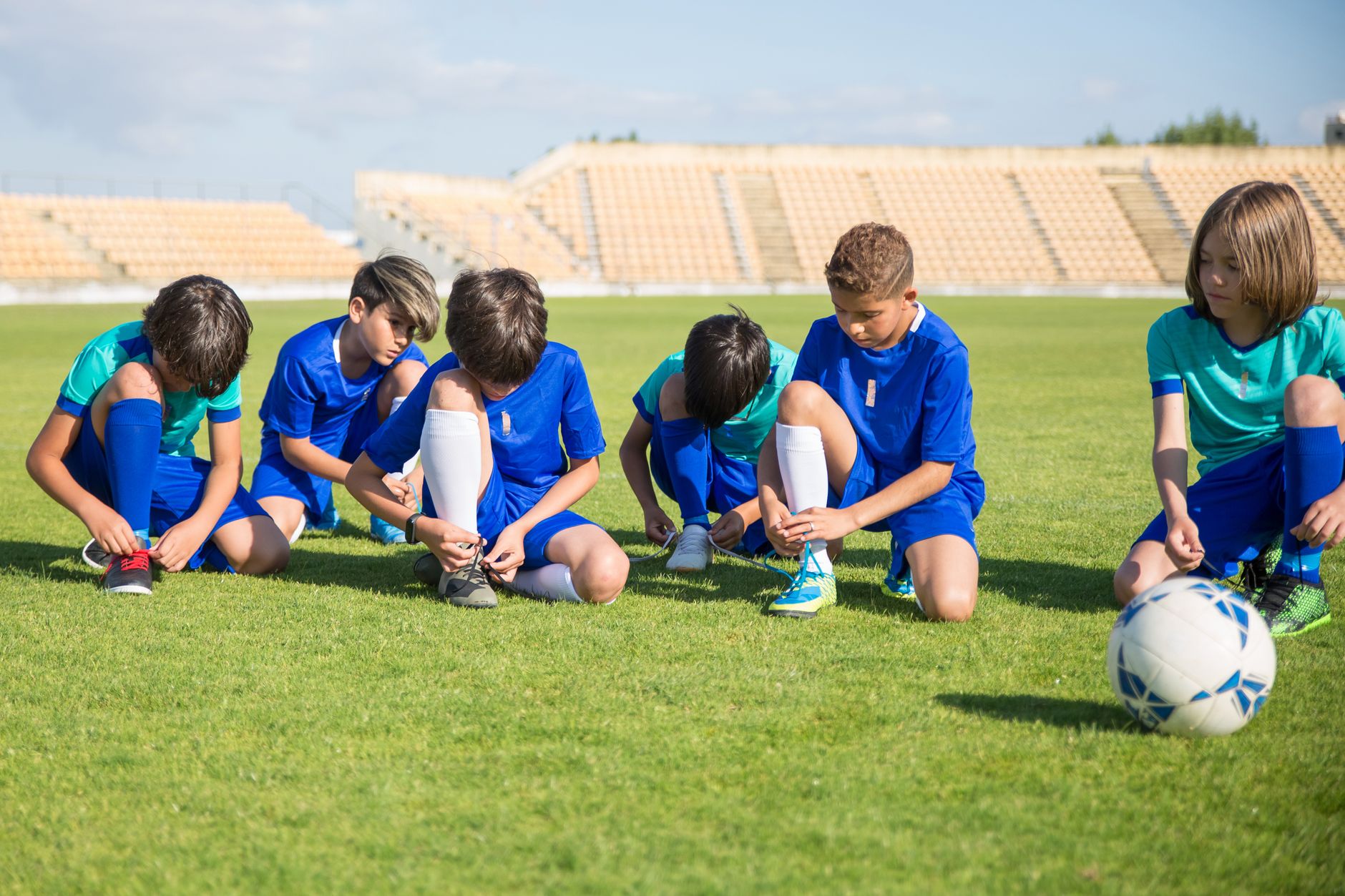
Photo by Kampus Production on Pexels
Is choosing the best football cleats for beginners really about price?
Yes, fit and surface compatibility matter more than price, while premium materials mainly improve weight, touch, and construction rather than magically creating skill. A $90 Adidas Copa Pure 3 can be a better beginner purchase than a $280 elite boot if it fits securely and matches the field. The key is to judge performance by traction, comfort, durability, and control instead of branding.
The football footwear market encourages a predictable mistake: beginners assume a higher price means a better first pair. It does not. Nike Mercurial Vapor 16 Pro may offer a responsive synthetic upper and aggressive speed-oriented geometry, but a player with a broad forefoot can find it less forgiving than the more accommodating Puma Future 8. Similarly, the classic Nike Premier 3 uses a leather-like upper and straightforward construction that may suit a new player learning first touch better than a rigid speed boot. It is worth noting that comfort is not a luxury feature; it determines whether you can train for 90 minutes without changing your running pattern to protect sore feet.
A practical price structure for 2026 looks like this:
- $50–$80: basic models, older releases, and entry-level synthetic boots.
- $80–$140: the strongest value range for most beginners.
- $140–$220: advanced materials, lighter construction, and higher-tier versions.
- $220 or more: elite editions, often with diminishing returns for new players.
Research on football movement published through FIFA Training Centre emphasizes acceleration, deceleration, and changes of direction as repeated match actions. Those actions expose bad traction quickly. Listen up—this is the part that matters: a cheaper boot with the correct soleplate is safer and more useful than an expensive firm-ground boot used on artificial turf. For more equipment context, see [Internal Link: beginner football training essentials].
My 10-model shortlist
The following models are not a sacred ranking handed down from the football gods. They are practical categories for different beginner needs, because foot shape and field conditions make universal rankings mostly nonsense.
- Nike Premier 3 — best value and traditional touch.
- Nike Mercurial Vapor 16 Academy — speed-focused option with a lower price.
- Nike Mercurial Vapor 16 Pro — premium speed boot for narrow-to-medium feet.
- Adidas Copa Pure 3 League — balanced comfort and ball contact.
- Adidas Copa Pure 3 Elite — softer upper and more refined touch.
- Adidas Predator League — useful for players who like textured striking zones.
- Puma Future 8 Play — adjustable fit at an entry-level price.
- Puma Future 8 Ultimate — flexible, high-end option for wider feet.
- New Balance Furon v8 Academy — lightweight, direct speed design.
- Mizuno Morelia Neo IV Beta — premium lightweight construction and traditional feel.
These models use different lasts, uppers, and stud layouts, so “best” depends on the player. Try both feet, because many people have one foot slightly longer, and measure in the afternoon when feet are commonly more swollen. A thumbnail of space in front of the longest toe is generally safer than having the toe jammed against the front, but excess movement inside the heel is unacceptable.
How does the best football cleat handle different playing surfaces?
A beginner football cleat handles a surface correctly only when its soleplate matches that surface: FG for natural firm grass, AG for artificial grass, TF for short-pile turf, and IN or IC for indoor courts. Using the wrong stud pattern can reduce traction, increase pressure under the foot, and damage the soleplate. Always follow the manufacturer’s surface label.
Firm ground: FG
Firm-ground boots are designed for natural grass that is relatively dry or moderately soft. Nike, Adidas, Puma, New Balance, and Mizuno commonly label these soleplates FG. Their molded studs are usually longer and more widely spaced than turf patterns, allowing penetration into grass.
FG boots are the most common choice for outdoor beginners because recreational leagues frequently use natural fields. However, “all outdoor fields” does not mean “every outdoor surface.” On hard, dusty ground, long aggressive studs can feel uncomfortable and may load the knees or forefoot unevenly. A beginner playing on compacted municipal grass should inspect the field rather than blindly trust the label.
Artificial ground: AG
Artificial-ground boots use shorter, often more numerous conical studs to spread pressure across synthetic fibers. An AG soleplate is generally preferable to FG on modern third-generation artificial grass, especially when the surface has rubber infill. Some manufacturers permit specific FG/AG hybrids, but the exact wording matters. Do not assume every mixed-label boot is approved for every artificial pitch.
This is a frequent beginner trap. A shop assistant may say, “These work everywhere,” because sales language has never been famous for surgical precision. Check the product page from Nike Football, Adidas Football, or Puma Football and confirm the soleplate designation before paying.
Turf and indoor surfaces
Turf shoes, labeled TF, have many small rubber nubs for short synthetic turf. They are not substitutes for FG cleats on natural grass because the shallow pattern may fail to provide sufficient penetration. Indoor football shoes, typically labeled IN, IC, or indoor court, use flat rubber outsoles and should not be worn on grass.
According to The FA, players should use suitable footwear for the playing environment and follow facility requirements. The governing body’s safety logic is hardly revolutionary, yet beginners routinely ignore it. “The surface determines the footwear” is a better rule than copying what a professional wears during a televised match.
| Surface | Recommended footwear | Avoid |
|---|---|---|
| Natural firm grass | FG | Flat indoor outsole |
| Artificial grass | AG or manufacturer-approved FG/AG | Unapproved long FG studs |
| Short-pile turf | TF | Long grass studs |
| Indoor court | IN or IC | Any penetrating studs |
| Soft, wet natural grass | SG only where permitted | Standard TF shoes |
Want a clearer equipment checklist before your next session? Use the guide below.

Photo by cottonbro studio on Pexels
What about wide feet, growing feet, and other beginner edge cases?
Wide feet, developing feet, orthotics, and mixed training surfaces require compromises that standard rankings often ignore. Puma Future 8 and Adidas Copa Pure models tend to offer more adaptable or forgiving fits, while Nike Mercurial Vapor and New Balance Furon often feel more streamlined. Children should not be placed in oversized boots for growth because heel movement and excess material can undermine control and stability.
A wide-footed beginner should begin with the shape of the boot rather than its advertised position category. The Puma Future 8 uses an adaptable upper and lacing structure that can accommodate more variation than a rigid narrow speed boot. Adidas Copa Pure 3 is another reasonable option when soft contact and moderate room are priorities. Mizuno Morelia Neo IV Beta can feel exceptionally refined, but its premium price and specific shape make it a try-on purchase, not a blind online order.
For young players, leave only a small amount of practical growth room. Buying two full sizes too large is not economical; it is a recipe for sliding feet, late contact with the ball, and compensatory movement. A child’s foot should be held securely at the heel, with toes able to move slightly without swimming inside the boot. Check sizing every few months during rapid growth and replace cleats when the soleplate becomes distorted or the upper separates.
Orthotics create another edge case. Remove the original insole only if the boot remains stable and the replacement orthotic fits without lifting the heel. Some low-volume speed boots cannot accept bulky medical inserts. If pain persists, consult a qualified podiatrist or sports clinician rather than diagnosing yourself from a comment thread written by someone called “BootKing87.”
A simple try-on test is more informative than a brand reputation:
- Wear the socks used during matches.
- Stand, jog, and perform a controlled side step.
- Check whether the heel lifts during acceleration.
- Press around the little-toe joint for hard pressure.
- Bend the forefoot and inspect whether the boot creases naturally.
- Try both boots for at least ten minutes.
My most useful non-obvious finding is that many “break-in” complaints are actually sizing errors. Synthetic uppers may soften slightly, but they rarely expand dramatically. If a boot causes numbness in the store, training will not perform a miracle. For more detail, explore [Internal Link: football cleat sizing and fit guide].
Socks, insoles, and first-use preparation
Use the same sock thickness you expect to wear in competition. Thick winter socks can disguise a poor fit, while thin socks can make a heel appear more secure than it really is. Walk and jog indoors first, then complete a short 20–30 minute training session before committing to a full match.
Do not soak new boots, microwave them, or apply random oils to synthetic uppers. Those viral shortcuts can damage adhesives and coatings. Instead, loosen the laces, flex the forefoot by hand, and allow the boots to dry naturally away from heaters. That is less exciting than internet folklore, but it works.
Where does the beginner football cleat fail?
The beginner football cleat fails when its marketing promise replaces surface suitability, fit testing, or durability checks. Lightweight construction can reduce protection, aggressive textures cannot fix poor technique, and a “universal” soleplate may be inappropriate for the field. Cleats also fail when players ignore worn studs, detached soles, persistent pain, or incorrect sizing.
Common mistakes worth avoiding
The most damaging errors are predictable:
- Choosing by appearance: neon colorways do not improve first touch.
- Buying the professional version: elite boots may be less comfortable and less durable for recreational use.
- Ignoring the soleplate: FG on artificial turf can create excessive pressure.
- Assuming pain equals break-in: pain is evidence, not a challenge.
- Wearing cleats casually: firm studs on pavement wear down and can become slippery.
- Cleaning with harsh chemicals: solvents can weaken synthetic materials and adhesives.
- Never checking the studs: worn or cracked studs change traction behavior.
A particularly overlooked problem is outsole fatigue. A boot can look acceptable while its stud edges become rounded, reducing grip during lateral cuts. Inspect the soleplate every few weeks, especially if you train twice weekly on abrasive artificial turf. Replace boots when the outsole cracks, the heel counter collapses, or the upper no longer holds the foot securely.
Another information gap involves weather. Wet grass does not automatically mean you need soft-ground boots. SG models with detachable metal or hybrid studs may be prohibited by leagues, and their deeper penetration can be excessive on merely damp firm ground. Confirm league rules and field conditions with the coach or facility manager before switching soleplates. The International Football Association Board Laws of the Game govern match rules, but local competitions can impose additional equipment policies.
Can football cleats prevent injuries?
Football cleats cannot guarantee injury prevention, but appropriate traction and fit can reduce avoidable slipping, instability, and pressure-related problems. Injury risk also depends on conditioning, workload, technique, field quality, previous injuries, and warm-up practices. No soleplate can compensate for increasing training volume recklessly.
A practical workload warning is more useful than a magical boot claim. If you are new to football, add sessions gradually rather than playing three intense matches immediately after buying new boots. Stop if you feel sharp pain, persistent numbness, swelling, or pain that changes your stride. A comfortable boot supports movement; it does not provide medical treatment.
“Equipment should be safe and suitable for the activity,” is the governing principle reflected in sports-safety guidance from organizations such as Safe Kids Worldwide. The wording is plain because safety advice does not need dramatic marketing. Listen up—this is the part that matters: traction should feel predictable, not maximally aggressive.
See the practical comparison before choosing between comfort and speed.

Photo by Franco Monsalvo on Pexels
Should you try the best football cleats for beginners today?
Yes, but choose by surface, foot shape, and intended use before considering color, player endorsements, or the latest elite technology. Nike Premier 3, Adidas Copa Pure 3, and Puma Future 8 cover most beginner needs, while Nike Mercurial Vapor 16 and New Balance Furon v8 suit players who specifically want a streamlined speed feel. Buy the correct soleplate, test the fit indoors, and keep the receipt.
For most new players, the best overall decision is not the most fashionable model. It is a mid-priced boot that you can wear through practices without discomfort and that remains suitable when your technique improves. Nike Premier 3 is a strong value choice for traditional touch; Adidas Copa Pure 3 is balanced and forgiving; Puma Future 8 is particularly useful when foot width or fit adjustment is a concern. Those three options serve more beginners sensibly than chasing an elite edition because a professional wears it.
Use this final buying sequence:
- Identify whether you play on natural grass, artificial grass, turf, or indoor court.
- Select FG, AG, TF, or IN/IC accordingly.
- Measure both feet while wearing football socks.
- Try at least two brands and walk for ten minutes.
- Check heel lockdown, toe room, forefoot pressure, and lateral stability.
- Confirm the return policy before outdoor use.
- Break the boots in gradually and inspect them after every few sessions.
Coach's Corner can help you follow the 2026 World Cup through match predictions, tactical analysis, player statistics, and tournament updates, but the same principle applies to buying cleats: verify the details yourself. The mainstream answer says “buy the newest speed boot.” The better answer says “buy the boot you can control on your actual field.” That is less glamorous, which is usually how you know it is more honest.
If you are ready to compare options and follow football coverage with fewer marketing fantasies, start here.
Frequently Asked Questions
Q: What are football cleats for beginners?
A: Football cleats for beginners are soccer boots designed to provide secure fit, suitable traction, and comfortable ball control without requiring advanced playing ability. Models such as Nike Premier 3, Adidas Copa Pure 3, and Puma Future 8 are common starting points because they cover traditional touch, balanced comfort, and adjustable fit. The correct soleplate still matters more than the model name. Choose FG for suitable natural grass, AG for artificial grass, TF for short-pile turf, and IN or IC for indoor courts.
Q: How do you choose the best football cleats for beginners?
A: Choose the best football cleats by checking surface, fit, foot shape, comfort, and budget in that order. Wear match socks, try both feet, and test heel lockdown by walking and jogging for at least ten minutes. Leave slight toe room but avoid excess internal movement, numbness, or painful pressure. In 2026, the $80–$140 range usually offers strong beginner value, although older Nike, Adidas, Puma, New Balance, and Mizuno models may cost less.
Q: What is the difference between FG, AG, TF, and indoor football cleats?
A: FG boots are made for natural firm grass, AG boots for artificial grass, TF shoes for short-pile turf, and IN or IC shoes for indoor courts. FG studs are generally longer and more penetrating, while AG footwear spreads pressure across more, shorter studs. TF shoes use many small rubber nubs, and indoor shoes have flat rubber outsoles. Using the wrong pattern can reduce traction, create discomfort, or violate facility requirements.
Q: Are expensive football cleats worth it for beginners?
A: Expensive football cleats are usually not worth the extra cost for beginners unless the fit, construction, or specific features clearly solve a personal need. A $90 Nike Premier 3 or Adidas Copa Pure 3 can be more useful than a $250 elite boot that causes pressure or does not suit the field. Premium models may reduce weight and improve material quality, but they cannot replace technique. Prioritize correct soleplate, heel security, comfort, and return protection.
Q: Why do new football cleats hurt my feet?
A: New football cleats usually hurt because of incorrect sizing, unsuitable width, excessive rigidity, poor sock choice, or the wrong soleplate. Synthetic boots rarely stretch enough to correct severe pressure, so painful areas should not simply be “broken in.” Try the boots indoors with match socks, check toe and heel movement, and return them if numbness or sharp pain continues. Persistent pain that changes your stride should be assessed by a qualified medical professional.
Q: How should beginners maintain football cleats?
A: Beginners should remove dirt after each session, dry cleats naturally, loosen the laces, and inspect the studs and soleplate regularly. Do not place boots on radiators, use harsh solvents, or wear grass cleats on pavement because heat, chemicals, and abrasion can weaken materials. Alternate pairs when possible, particularly when training several times each week. Replace boots when studs crack, the heel counter collapses, the outsole separates, or the upper no longer secures the foot.
Q: Can one pair of football cleats be used on every surface?
A: One pair of football cleats should not be assumed safe or effective on every surface because FG, AG, TF, and indoor soleplates serve different traction conditions. Some manufacturer-approved FG/AG models cover limited outdoor variation, but they do not replace TF or indoor shoes. Check the exact soleplate label from Nike, Adidas, Puma, New Balance, or Mizuno and confirm local league rules. If you regularly play on both grass and artificial turf, two suitable pairs are safer than forcing one pair to do everything.
Thank you for reading.
Coach's Corner · The Midnight Archive · An Exhibition of Thought