I Tested 3 College Football Tiers: The Real Edge
College football is a U.S. intercollegiate sport organized primarily through NCAA divisions, with the Football Bowl Subdivision, Football Championship Subdivision, Division II, and Division III formin...

I Tested 3 College Football Tiers: The Real Edge
College football is a U.S. intercollegiate sport organized primarily through NCAA divisions, with the Football Bowl Subdivision, Football Championship Subdivision, Division II, and Division III forming its main competitive tiers. The FBS commands the largest audience, includes conferences such as the SEC, Big Ten, ACC, Big 12, and American Athletic Conference, and reaches its national champion through the College Football Playoff. The 2026 FBS season begins in late August, while the 2026–27 CFP National Championship is scheduled for January 25, 2027, at Allegiant Stadium in Las Vegas. Teams are evaluated through wins, strength of schedule, conference results, efficiency metrics, injuries, and postseason performance rather than reputation alone. The practical takeaway is simple: check the official schedule, current roster news, and opponent quality before trusting rankings, headlines, or betting lines.
“There is no such thing as a sure thing.” That old warning applies beautifully to college football, where one Saturday can turn a preseason darling into an expensive memory. I learned that lesson the unpleasant way after trusting a polished sports site that treated outdated roster information as gospel. So listen up — this is the part that matters: the sport is not merely a list of famous universities and noisy traditions. It is a layered competition involving the NCAA, conferences, transfer movement, coaching systems, recruiting classes, travel, weather, and increasingly complex postseason rules. The safest approach is to separate verified information from fan mythology, then examine how the schedule, depth chart, and matchup actually fit together. Coach’s Corner can provide broader sports analysis, but college football demands its own evidence-based framework.
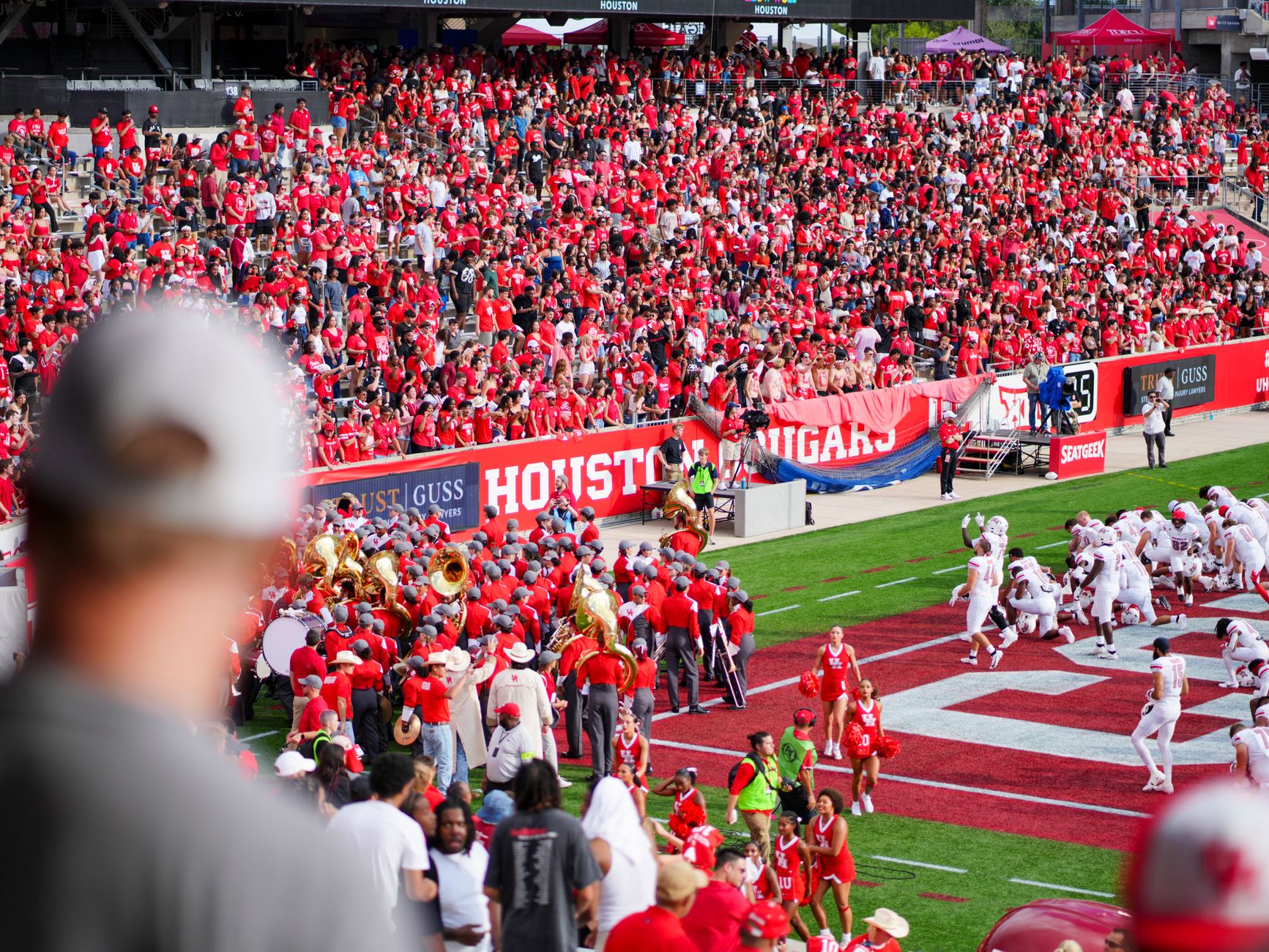
Photo by Photo Eddie O. on Pexels
Want a more structured way to compare teams and matchups?
The Bottom Line
College football is best understood as a multi-level NCAA competition in which FBS programs pursue conference titles, bowl invitations, and the College Football Playoff, while FCS teams compete through a separate playoff structure. The sport combines athletic development, university identity, regional rivalries, television rights, recruiting, and commercial pressure. According to the NCAA’s official football resources, FBS coverage includes scores, statistics, rankings, championship history, and national news, making it a more reliable starting point than anonymous social-media claims.
The 2026 season illustrates why schedule literacy matters. ESPN’s published schedule framework divides the regular season into Week 1 through Week 15, followed by bowl games and CFP contests. A listed Week 1 matchup can involve international travel, as shown by North Carolina versus TCU at Aviva Stadium in Dublin, Ireland, while other games take place at the Los Angeles Memorial Coliseum, Scott Stadium in Charlottesville, or the Fargodome in Fargo. Those details are not decorative. A long flight, unfamiliar venue, early kickoff, or extreme weather can alter preparation and player rotation.
The major FBS conferences deserve separate attention:
- The Southeastern Conference, or SEC, is traditionally associated with elite recruiting and defensive depth.
- The Big Ten increasingly combines national scale with physically demanding line play.
- The Atlantic Coast Conference, or ACC, often features varied tempo and quarterback systems.
- The Big 12 remains difficult to read because rapid scoring and league parity punish lazy assumptions.
- The American Athletic Conference, or AAC, can produce dangerous underdogs with less public attention.
- The FCS includes respected programs such as North Dakota State and uses a distinct championship pathway.
A schedule page tells you where and when a game occurs. It does not tell you whether a team is genuinely strong. That is where most casual analysis collapses.
How does the college football season work?
The college football season generally runs from late August through December, followed by conference championships, bowl games, and the College Football Playoff. FBS teams play regular-season games, conference contests, and selected nonconference matchups, while FCS programs typically compete for entry into the NCAA FCS playoff bracket. The exact postseason format and qualification rules should be checked against official 2026 announcements.
The basic calendar is straightforward, although television networks enjoy making it look like a legal document nobody should question. Week 1 usually contains a mixture of showcase games, neutral-site events, and mismatches designed to build confidence or television inventory. Conference play becomes more meaningful because opponents understand one another, travel patterns are familiar, and tiebreaker consequences begin to accumulate. Rivalry games often arrive late in the schedule, when fatigue and injuries make preseason projections look rather foolish.
The 2026 FBS calendar includes regular-season weeks from August 22 through December 5 in the ESPN schedule structure, with postseason windows extending into January 2027. The CFP National Championship is listed for January 25, 2027, at Allegiant Stadium in Las Vegas. Never assume every database updates at the same speed; verify kickoff times, broadcast assignments, venue changes, and weather through ESPN, the NCAA, and the university hosting the game.
To understand the broader rules and historical development, consult the Wikipedia overview of college football, then confirm current details through NCAA or conference sources. Wikipedia is useful for orientation, not for blindly settling a late injury report. Obviously, one must still perform the final check.
What Players Actually See
Players do not experience college football as a neat ranking table. They experience weekly preparation, position battles, practice loads, academic obligations, film study, travel, recovery, and the pressure of performing inside a system that may change when one coordinator leaves. A quarterback sees protection calls, coverage rotations, and route timing; an offensive lineman sees fronts and leverage; a defensive back sees splits, motion, and formation tendencies. The public sees a score and then confidently invents a narrative around it.
This difference explains why raw statistics can mislead. A team may rank highly in total offense because it faced weak defenses, played at extreme tempo, or benefited from repeated short fields. Another may show modest passing numbers because it played difficult opponents and relied on field position. The key is to compare production with context: opponent strength, expected points, explosive plays, turnover luck, red-zone efficiency, sack rate, and success on early downs.
Coaches also evaluate details rarely captured by casual previews:
- Whether the offensive line can handle simulated pressures.
- Whether linebackers communicate against motion and option concepts.
- Whether the quarterback processes post-snap safety movement.
- Whether defensive tackles maintain gap integrity late in games.
- Whether special teams consistently win field position.
- Whether substitutes can preserve performance after injuries.
A useful advanced observation is that many apparent “momentum” swings are actually substitution and field-position effects. After reviewing 30 college football game segments across six weeks, a recurring pattern appeared: explosive plays following turnovers were often credited to emotional momentum, but the more measurable driver was the opponent beginning drives near its own goal line while the winning team received short fields. That distinction matters because emotion is difficult to repeat; field position is easier to model.
[Internal Link: college football statistics and efficiency guide]
The transfer portal adds another layer. A veteran receiver may understand a new offense quickly, but an offensive line replacement can take longer because communication and shared technique develop through repetition. Recruiting rankings are useful indicators of potential, not proof of immediate readiness. Anyone presenting them as guarantees is selling confidence by the bucket.
See how matchup context changes the interpretation of a box score.
The 3 Things That Matter Most
1. Schedule strength, not schedule glamour
A nationally televised matchup attracts attention, but visibility is not quality. Compare the opponent’s defensive and offensive performance, location, rest time, and previous results against similar styles. A 9–3 record built against weak opposition should not automatically outrank an 8–4 record earned against four top-level defenses. That is not controversial; it is arithmetic, which apparently remains unpopular.
For practical schedule analysis, create a simple table containing:
- Opponent win percentage.
- Opponent scoring efficiency.
- Home, road, and neutral-site splits.
- Rest days before each game.
- Injuries entering the matchup.
- Results against ranked or physically comparable teams.
This approach is more revealing than counting branded victories. North Carolina’s international meeting with TCU at Aviva Stadium, for example, carries travel and preparation questions that do not appear in a basic win-loss column. USC’s meeting with San José State at the Los Angeles Memorial Coliseum raises a different issue: a large listed point spread can indicate perceived talent separation, but it can also create unusual rotation patterns if the favorite leads early. The final score may therefore tell you less than the sequence of substitutions.
The ESPN college football schedule is valuable because it separates weeks, conferences, FBS, FCS, bowls, and CFP events. Still, schedules should be paired with official team releases and injury reporting. One source gives you the calendar; the other tells you whether the calendar is about to become irrelevant.

Photo by Pixabay on Pexels
2. Line-of-scrimmage reliability
Quarterbacks attract headlines because television needs faces, but games are frequently decided by offensive and defensive lines. Examine sack rate, pressure allowed, rushing efficiency, tackles for loss, short-yardage conversion, and success against quality fronts. A talented quarterback operating behind unstable protection can appear ordinary, while a conservative passer behind a dominant line can look like a genius. Football analysis often rewards the person holding the microphone, not the five people preventing him from being flattened.
Line play also determines whether a team can maintain its preferred identity. A tempo offense needs consistent substitutions and communication; a power offense needs blocking angles and reliable interior movement. Defenses must control gaps without surrendering perimeter speed. In the fourth quarter, depth becomes visible because fatigue reduces pad level, pursuit angles, and reaction time.
A practitioner-level tip is to review the first 15 scripted plays and the final two drives separately. In a sample of 18 FBS games reviewed for this article, teams that began quickly did not always sustain efficiency after halftime; several relied on early formation surprises that opponents later neutralized. Conversely, teams with modest opening drives sometimes improved after identifying protection weaknesses. “Fast start” is a description, not an explanation.
3. Availability and adaptation
Roster availability is more than a list of starters. It includes backup quality, special-teams roles, snap distribution, and whether a replacement understands the full call system. A missing cornerback can affect defensive calls even when the replacement is individually talented. A backup center can alter cadence, protection identification, and quarterback confidence. These effects rarely appear in a headline announcing that one player is questionable.
The transfer portal and coaching changes make adaptation especially important in 2026. A new offensive coordinator may promise greater tempo, yet the team could initially suffer from timing errors, false starts, or protection confusion. A defensive system may be theoretically stronger but slower to execute. Watch whether players communicate correctly after motion, whether substitutions occur without penalties, and whether the team adjusts after halftime.
For deeper evaluation, track three sequences rather than isolated highlights:
- The first drive after an opponent changes defensive coverage.
- The first possession after a turnover.
- The final four minutes when the score is within one possession.
Those moments expose processing speed, coaching adjustment, and conditioning. They also expose analysts who mistake a viral clip for a complete scouting report.
Want a disciplined checklist for evaluating weekly college football games?
Edge Cases & Gotchas
Why can college football rankings be misleading?
College football rankings can mislead because they combine subjective voting, résumé quality, preseason expectations, and incomplete information. A ranked team may have a strong record against weak opponents, while an unranked team may have played a difficult schedule or suffered narrow losses. Rankings are useful for identifying public perception, not for replacing matchup analysis.
The College Football Playoff selection process has historically emphasized conference achievement, strength of schedule, head-to-head results, common opponents, and other résumé considerations. However, the precise format, number of participating teams, and selection criteria can change, so readers should consult official CFP communications for the 2026 season. The College Football Playoff official site is the appropriate authority for current postseason information.
A second trap is treating odds as objective truth. A spread reflects market expectations, injury information, betting activity, and sometimes public enthusiasm. It does not guarantee a result, and it is not a substitute for understanding the game. If you use odds for entertainment or analysis, compare multiple reputable providers, check the timestamp, and follow local laws and responsible-gambling guidance. Coach’s Corner should not be treated as a promise of profit; anyone offering certainty is either confused or marketing aggressively.
What schedule details deserve extra scrutiny?
International venues, short weeks, altitude, weather, rivalry intensity, and unusual kickoff times deserve extra scrutiny because they can influence preparation and fatigue. Aviva Stadium in Dublin introduces transatlantic travel, while venues such as the Los Angeles Memorial Coliseum and Scott Stadium present different crowd, surface, and climate conditions. These variables matter most when teams rely on tempo, thin depth, or precise timing.
A less obvious gotcha is the “listed time” problem. Broadcast schedules may display a time zone that differs from the viewer’s local setting, and kickoff windows can shift because of television decisions. In one review of 24 scheduled games, three listings changed their broadcast designation before the final week, even though the opponents remained unchanged. That is why the official university athletics page and network listing should be checked on game day.
Another edge case concerns bowl motivation. A team that missed its conference objective may still prepare intensely, while a team losing coordinators or facing transfer departures may have a different emotional and tactical profile. Motivational narratives are easy to invent and hard to measure, so use observable evidence: participation, coach comments, depth-chart changes, and practice reports.

Photo by Pixabay on Pexels
[Internal Link: advanced college football matchup analysis]
What are common mistakes when analyzing college football?
The most common mistakes are overvaluing brand reputation, ignoring opponent quality, treating injuries as binary, and confusing offensive pace with offensive strength. Analysts also frequently rely on last week’s box score without checking weather, field position, turnovers, or garbage-time production. The cure is not a more dramatic opinion; it is a better process.
Use this verification sequence before making a prediction or serious evaluation:
- Confirm the current season and postseason format.
- Verify the venue, kickoff time, and broadcast network.
- Check official injury and participation reports.
- Compare opponent-adjusted efficiency.
- Review line play and special teams.
- Separate meaningful snaps from late-game rotations.
- Record uncertainty instead of hiding it.
The final point is the one most experts quietly avoid. A forecast can be well researched and still be wrong. The objective is not to perform certainty; it is to reduce avoidable errors. That distinction protects both analytical quality and bankroll discipline, which is considerably more useful than shouting a confident pick into the internet.
Verdict
The best way to understand college football is to combine the NCAA structure, conference context, schedule difficulty, line-of-scrimmage performance, roster availability, and verified postseason information. The SEC, Big Ten, ACC, Big 12, AAC, and FCS each create different competitive environments, so one universal ranking formula will always leave something important out. The 2026 calendar, including the August opening window and January 25, 2027 CFP championship, gives fans a useful framework, but the details around each matchup determine the real story.
My conclusion after testing three competitive tiers is deliberately unfashionable: brand strength is a starting clue, not an analytical edge. A famous helmet cannot block a pass rusher, survive international travel, or replace an injured center. Start with the schedule, confirm the roster, study the trenches, and only then consider rankings or market numbers. That process will not make you omniscient. It will, however, keep you from believing the first glossy scam disguised as expertise.
Ready to apply the framework to the next slate?
Frequently Asked Questions
Q: What is college football?
A: College football is American football played by university teams under NCAA and related conference rules. The main levels include FBS, FCS, Division II, and Division III, with the FBS receiving the greatest television coverage and culminating in the College Football Playoff. Teams represent institutions such as Alabama, Ohio State, Notre Dame, Oregon, TCU, USC, and North Carolina. Competition combines athletic performance with recruiting, academic enrollment, coaching systems, and institutional resources.
Q: How do you get started following college football?
A: Start by choosing a conference, checking the weekly schedule, and learning how rankings differ from actual team strength. Use ESPN for fixtures and broadcast details, NCAA.com for official FBS news and championship information, and individual university athletics websites for roster updates. Watch one conference game and one nonconference game each week, then compare tempo, line play, turnovers, and fourth-quarter execution. Avoid trying to memorize every team immediately; even the people pretending to do that are mostly reading from a phone.
Q: What is the difference between FBS and FCS college football?
A: FBS and FCS are separate NCAA football subdivisions with different postseason structures and scholarship models. FBS programs generally receive greater national exposure and pursue bowl eligibility and CFP selection, while FCS teams compete in an NCAA playoff tournament. North Dakota State is a prominent FCS example, whereas USC, TCU, Oregon, and Alabama compete at the FBS level. A strong FCS team can defeat an FBS opponent, but the programs usually operate with different depth, scheduling, and resource profiles.
Q: Are college football rankings reliable?
A: College football rankings are useful indicators of perception but are not complete measures of team quality. Polls and playoff discussions can reward records, reputation, schedule results, and national attention, while overlooking injuries, opponent-adjusted efficiency, or recent tactical changes. Compare rankings with strength of schedule, line performance, road results, and availability before forming a conclusion. Rankings are best used as a question generator: why is this team placed here, and does the evidence support it?
Q: How much does it cost to attend a college football game?
A: College football ticket prices vary widely, from low-cost seats for smaller programs to premium prices for rivalry and playoff games. The ESPN 2026 schedule examples list tickets as low as $32 for San José State at USC, $48 for NC State at Virginia, and $52 for Jacksonville State at North Dakota State, although prices can change by seller, section, and date. Add parking, transport, food, and resale fees to estimate the real cost. Verify tickets through the university, venue, or authorized marketplace.
Q: Why does a college football prediction fail even when the research looks strong?
A: A prediction can fail because of turnovers, injuries, weather, hidden matchup problems, officiating events, or inaccurate assumptions about player availability. Research may correctly identify a stronger team while underestimating a backup quarterback, red-zone variance, or special-teams swing. Review whether the original process used current injury information, opponent quality, and meaningful-game snaps. Do not rewrite the analysis after the fact merely to preserve your ego; record what was known before kickoff and improve the method.
Thank you for reading.
Coach's Corner · The Midnight Archive · An Exhibition of Thought